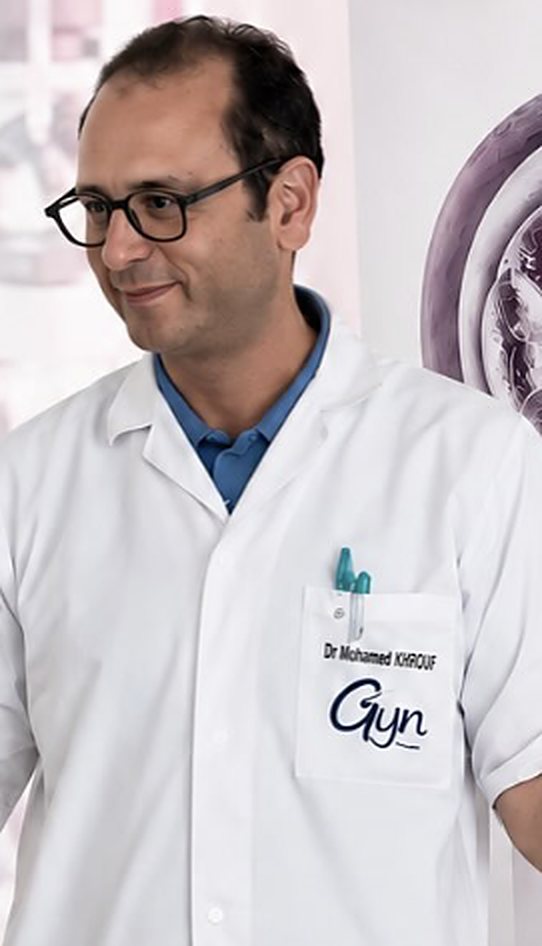
Dr Mohamed Khrouf

Associate Professor of Obstetrics and Gynaecology, specialist in infertility and assisted reproduction

Founder of the GynTunis practice and Senior IVF Consultant at the Fertillia Centre in Tunis. President of the African Federation of Fertility Societies (AFFS).

Our values of care

Infertility concerns both partners. The way we work rests on four commitments.

Listening

Taking the time to understand your story, your expectations and your worries before any decision.

Personalised care

Treatment tailored to your situation, chosen among those whose effectiveness is proven by medical research. No standard protocol, and no unnecessary tests or treatments.

Couple-centred treatment

Both partners are seen, assessed and involved in decisions from the start, with clear explanations at every step.

An objective medical opinion

A precise diagnosis and a realistic prognosis, explained with full transparency, to help you move forward.

Clinical experience at the service of couples

An obstetrician-gynaecologist and associate professor, I have devoted more than 15 years to infertility. I see every couple personally, from the first assessment to treatment, and I perform the assisted reproduction procedures at the Fertillia Centre.

15+years devoted to infertility and assisted reproduction
1 000+couples seen at the practice every year
400+IVF and ICSI cycles a year
2014launch of the Tunisian fertility preservation programme
Dr Mohamed Khrouf, GynTunis

Where I see you

Consultations

Cabinet de groupe GynTunis

First consultation, infertility assessment, ultrasound, follow-up visits and stimulation monitoring.

GynTunis group practice
La Rose Medical Centre, 2nd floor
Avenue de la Bourse, Les Jardins du Lac 2
1053 Tunis, Tunisia

See opening hours

Assisted reproduction and endoscopy

Centre Fertillia, Clinique La Rose

Inseminations, egg retrievals and embryo transfers, IVF and ICSI, fertility preservation, hysteroscopy and laparoscopy, in a centre preparing for Accreditation Canada.

Fertillia Centre, La Rose Clinic
Les Jardins du Lac, Tunis

Directions

Your journey, step by step

From the first consultation to pregnancy, you know at every step what is happening and why.

1

First consultation

Listening to the couple, medical history, examination and ultrasound.

2

Assessment

Hormone tests, ovarian reserve, uterus and tubes, semen analysis; endoscopy if needed.

3

Tailored treatment

Surgery, stimulation, insemination or IVF, depending on results, age and your wishes.

4

Until pregnancy

Support until the positive test, then handover to your gynaecologist for pregnancy follow-up.

Starting IVF?

Every step of your treatment, what you need to do and whom to contact. Choose the protocol your doctor has indicated:

My scientific contributions

Teaching and mentoring, supporting fertility centres, advancing research. Tap a bubble to learn more.

Masters Tunis · DakarSimulationMasterclassesTanit · AlgiersAccreditation CanadaGynTunis60+ publicationsH-index 16FIGO · AFFSLR16SP01
  • Master's in Reproductive Medicine, Faculty of Medicine of Tunis
  • Master's in Reproductive Medicine, Cheikh Anta Diop University, Dakar
  • Instructor at the Medical Simulation Center of Tunis: simulation-based ART training
  • International masterclasses, workshops and webinars
15+years in assisted reproduction
400+IVF/ICSI cycles per year
1 000+couples assessed per year
60+scientific publications
16H-index (Google Scholar)

My career

Clinician, teacher and researcher in reproductive medicine

Associate Professor of Obstetrics and Gynaecology at the Faculty of Medicine of Tunis, I have devoted more than 15 years to infertility and assisted reproduction.

Trained in Paris (Kremlin-Bicêtre, Sèvres) and Tunis, I worked from 2010 to 2017 at the IVF Centre of Aziza Othmana Hospital, where I launched the Tunisian fertility preservation programme in 2014.

Since 2017 I have led the GynTunis practice, which sees more than 1,000 couples a year, and I work as Senior IVF Consultant at the Fertillia Centre.

I teach in the reproductive medicine master's programmes of the Faculty of Medicine of Tunis and Cheikh Anta Diop University in Dakar, and I am an instructor at the Medical Simulation Center of Tunis.

My work, publications and lectures focus on polycystic ovary syndrome, markers of ovarian reserve, IVF stimulation protocols, the endometrium and organic causes of infertility.

Key milestones of my career
  1. 2008Doctor of Medicine, Faculty of Medicine of Tunis
  2. ResidencyObstetrics and gynaecology: Kremlin-Bicêtre and Sèvres (Paris), Tunis
  3. 2008 – 2010University diplomas in Paris: reproductive medicine and biology, obstetric and gynaecological ultrasound, European hysteroscopy
  4. 2010Assistant Professor, IVF Centre of Aziza Othmana Hospital
  5. 2011 – 2012Certificate in statistics and epidemiology, Faculty of Medicine of Tunis
  6. 2014Associate Professor of Obstetrics and Gynaecology; launch of the Tunisian fertility preservation programme
  7. 2017Founded GynTunis; Senior IVF Consultant at the Fertillia Centre
  8. 2026Scientific and Operational Advisor, Tanit Fertility Center, Algiers
  9. CurrentlyPresident of the African Federation of Fertility Societies (AFFS)

International presence

Beyond the practice, I help build reproductive medicine across Africa and internationally: scientific societies, teaching, quality of care and research.

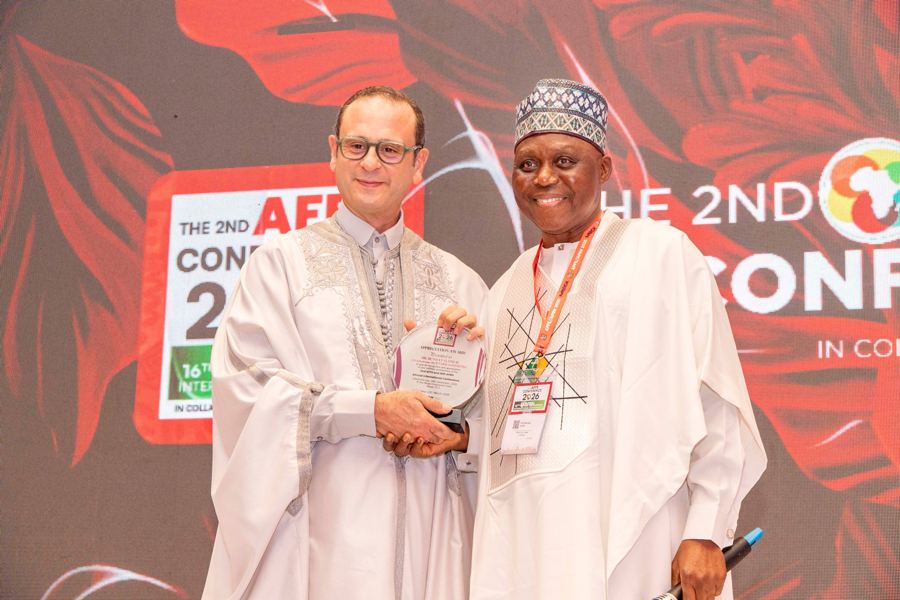
Dr Mohamed Khrouf, AFFS 2026
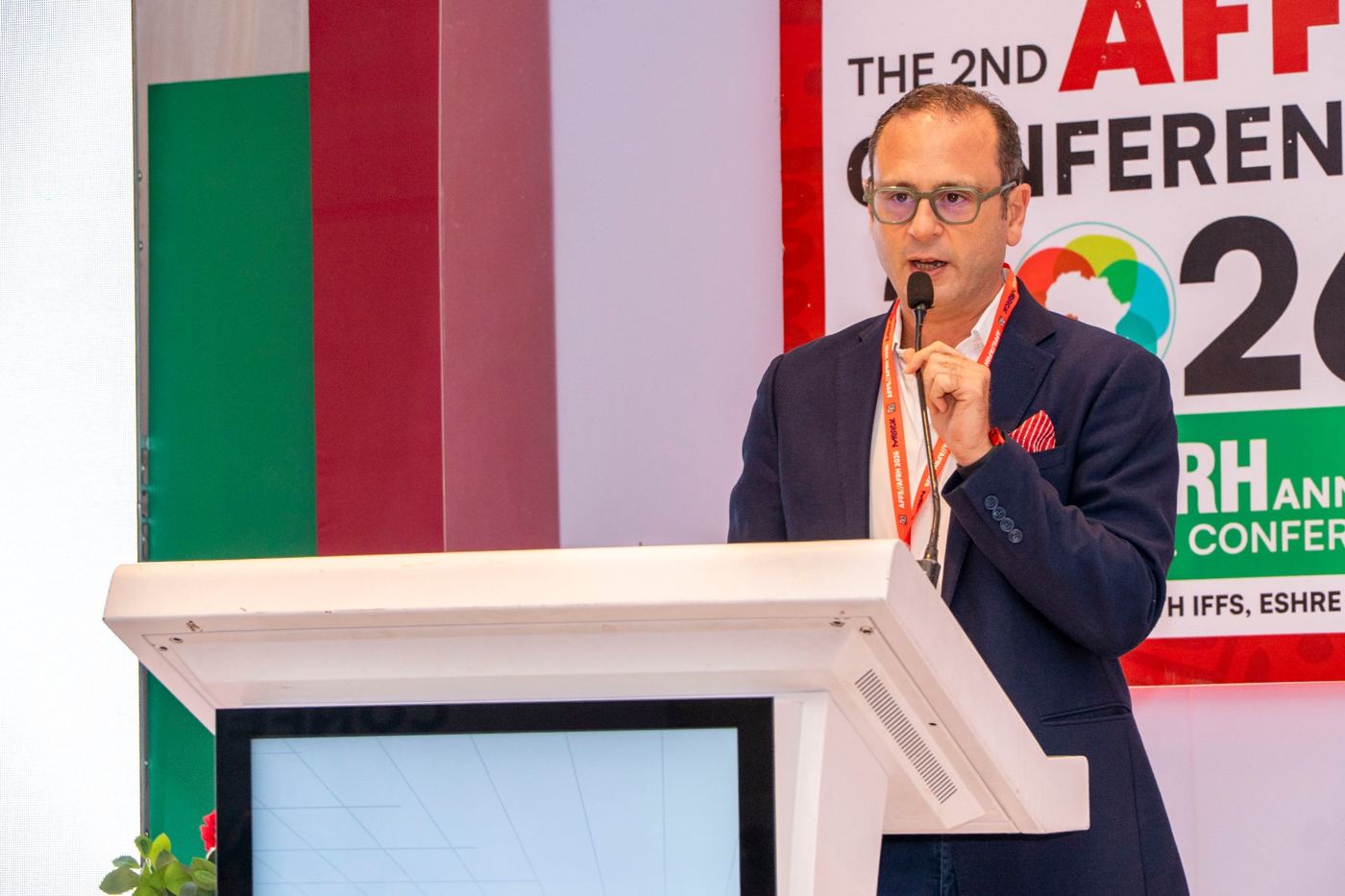
At the podium of the 2nd AFFS and 16th AFRH Conference, Abuja, 2026

Scientific societies and international bodies

  • AFFSPresident of the African Federation of Fertility Societies
  • FIGOMember of the Committee on Reproductive Medicine of the International Federation of Gynecology and Obstetrics (2026 – 2027)
  • ICMARTICMART Glossary Revision Working Group (2025 – 2026)
  • Tunisian Study Group of InfertilityChairman
  • Oncofertility ConsortiumMember
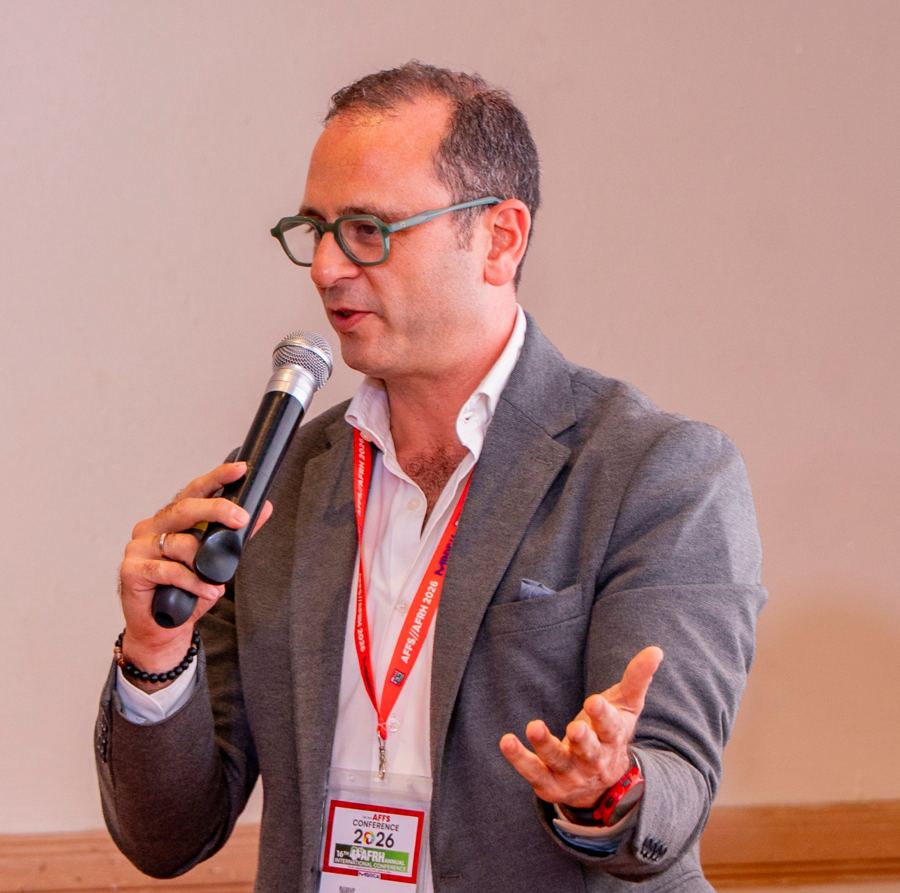
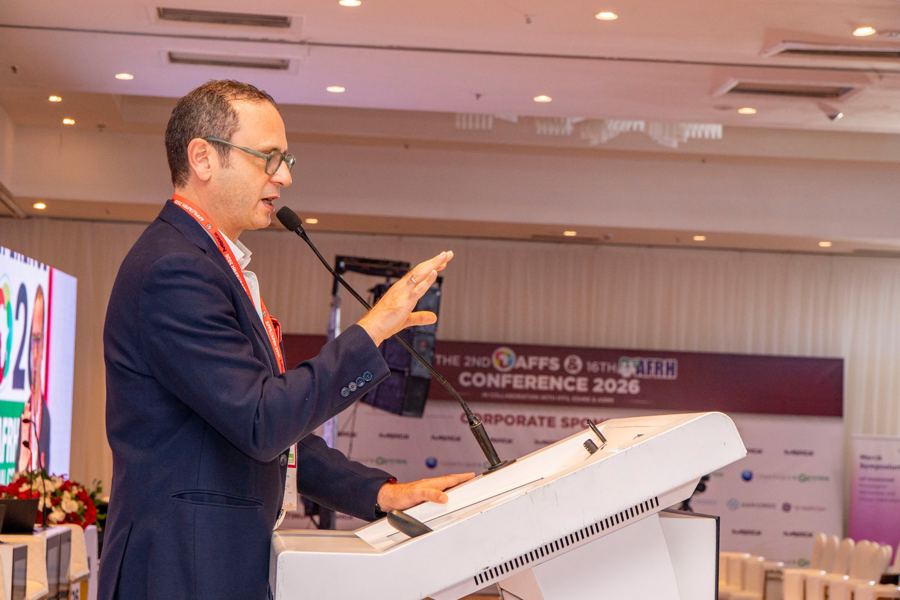
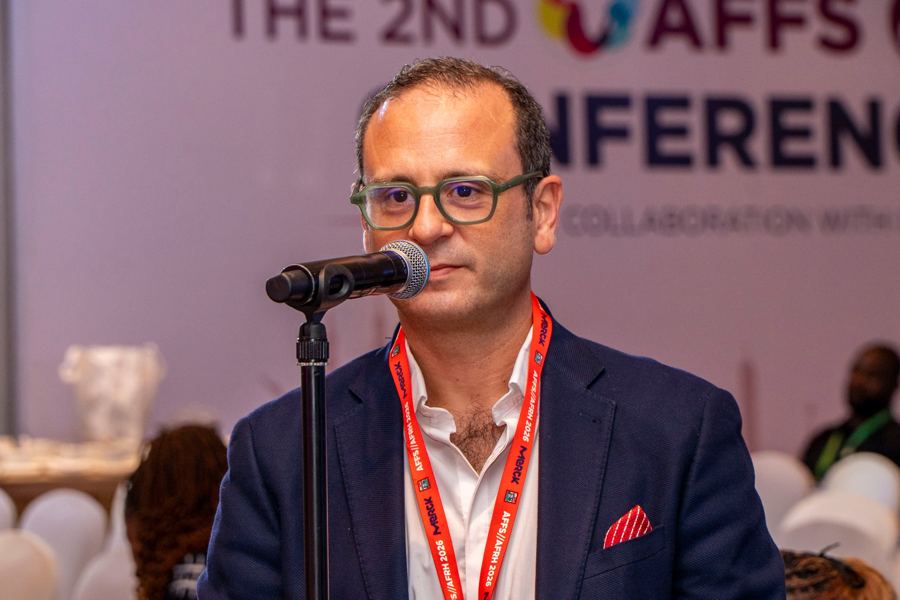
Dr Mohamed Khrouf, AFFS 2026 Dr Mohamed Khrouf, AFFS 2026 Dr Mohamed Khrouf, AFFS 2026 Dr Mohamed Khrouf et Dr Sunday Onuh, AFFS 2026

2nd AFFS and 16th AFRH Conference, Abuja (Nigeria), September 2026

Questions from colleagues and partners

Referring a couple, conference invitations, research collaboration.

How can I refer a couple or ask for an opinion on a case?

Send a summary of the file through the professional form. I will reply personally. If the couple is treated in Tunis, follow-up is coordinated with you, and you remain their referring doctor.

How can I invite you to a conference, webinar or masterclass?

Use the professional form with the subject “Conference invitation”, stating the date, topic, format and audience.

Which topics are open to research collaboration?

Polycystic ovary syndrome, ovarian reserve, IVF stimulation protocols, the endometrium, organic causes of infertility and fertility preservation.

Do you advise fertility centres?

Yes, on clinical organisation, care pathways, procedures, quality and team training, as with the Tanit Fertility Center in Algiers.

Expertise

From the first assessment to assisted reproduction techniques, every step is carried out on site, together with the Fertillia Centre team.

Second opinion after failed treatment

Have you already had treatment without success? I review your whole file to assess your real chances and tell you whether it is better to continue, change strategy or consider another option.

Send my file

Infertility diagnosis

Full assessment of the couple: hormone tests, ultrasound, ovarian reserve, exploration of the uterus and tubes, semen analysis.

Fertility endoscopy

Hysteroscopy and laparoscopy to investigate and treat causes of infertility: polyps, septa, adhesions, fibroids, tubes, endometriosis.

Assisted reproduction

Ovarian stimulation, intrauterine insemination, in vitro fertilisation (IVF) and ICSI, at the Fertillia Centre.

Oncofertility

Preserving fertility before cancer treatment (chemotherapy, radiotherapy, surgery), in fast coordination with the oncology team.

Low ovarian reserve

Dedicated care: tailored stimulation protocols and a strategy built around age, AMH and the couple's history.

Living outside Tunis?

Elsewhere in Tunisia or abroad: teleconsultation, protocol sent to you, and remote monitoring with your own doctor.

Living outside Tunis?

Elsewhere in Tunisia or abroad, much of your treatment can be handled remotely, with your own doctor. You only travel for the steps that require it.

  • Teleconsultations are available.
  • We send your protocol to you and to your doctor.
  • Monitoring (ultrasound and blood tests) is done near your home: our assistant collects your results.
  • Results sent before 3 pm: we reply the same day to tell you how to continue your treatment.

An opinion on your file

Send your test results and reports by email for a first opinion before you travel.

avis@gyntunis.com

Are you a doctor seeking an opinion? Professional form

Get in touch

  1. Tunis
    Consultation or teleconsultationMeeting the couple and defining the strategy. Tests already done at home are taken into account, and we send you your protocol.
  2. Near your home
    Remote monitoringUltrasounds and blood tests with your own doctor. Results received before 3 pm: same-day reply.
  3. Tunis
    Procedures at the Fertillia CentreYou come to Tunis for the key steps of treatment.
  4. Near your home
    Ongoing follow-upYour doctor takes over, and I remain available.

Videos

Conferences and webinars

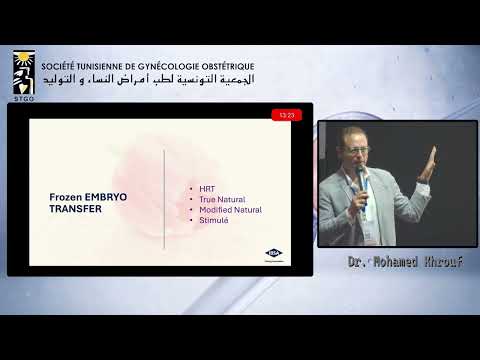
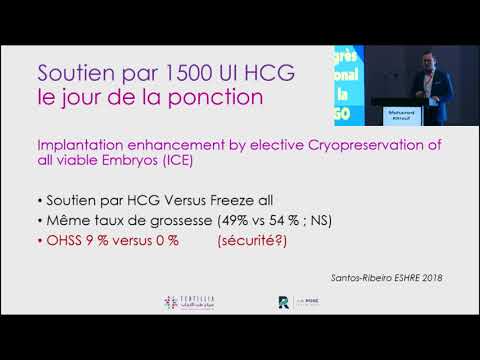
Scientific congresses, symposia and webinars, including a presentation at the ESHRE annual meeting.

TV programmes, podcasts, interviews and explanations on fertility, assisted reproduction and fertility preservation.

Follow on Instagram @dr.med.khrouf
ESHREImpact of endometrium thickness and pattern on the sixth day of stimulation on IVF outcomePresentation at the annual meeting of ESHRE, the European Society of Human Reproduction and EmbryologyWatch on YouTube →
Oncofertility Consortium2023 Practice Committee Webinar: Maria T. Bourlon MD & Mohamed Khrouf MDInternational 2023 Oncofertility Consortium webinarWatch on YouTube →
STGO · PMA 2026La progestérone sous-cutanée : valeur ajoutée en AMP ?Symposium at the STGO 2026 assisted reproduction meeting (in French)Watch on YouTube →
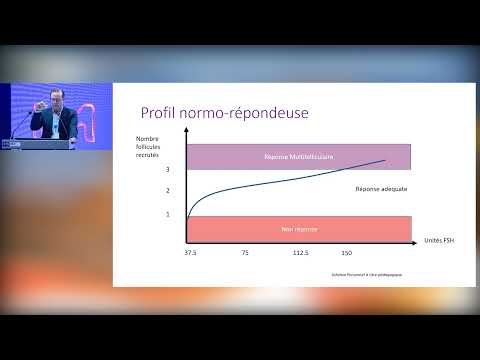
STGO · 2024SOPK : prise en charge de l'infertilité en pratiqueSTGO national congress 2024 (in French)Watch on YouTube →
STGO · 2024La concertation clinicien-andrologueWith Dr Amine Bouker, STGO congress 2024 (in French)Watch on YouTube →
STGO · AMP 2023Discussion autour de cas cliniques en AMPSTGO assisted reproduction day, 22 September 2023 (in French)Watch on YouTube →
STGO · 32e congrès32e congrès de la STGO : Dr Mohamed KhroufTalk at the 32nd STGO congress (in French)Watch on YouTube →
STGO · 28e congrèsDéclencher par agoniste et transférer en fraisAgonist trigger and fresh transfer, 28th STGO congress (in French)Watch on YouTube →
Fertillia · webinairePréparation de l'endomètre pour un transfert d'embryon congeléEndometrial preparation for frozen embryo transfer, Fertillia webinar no. 12 (in French)Watch on YouTube →
Fertillia · webinaireChangement de protocole de stimulation ovarienne après échec de FIVChanging the ovarian stimulation protocol after IVF failure, Fertillia webinar (in French)Watch on YouTube →
Chaîne du Dr KhroufÉchecs répétés d'implantation en FIVRecurrent implantation failure in IVF (in French)Watch on YouTube →
Chaîne du Dr KhroufShould all PCOS patients be treated with insulin sensitizers?Debate on insulin sensitizers in PCOSWatch on YouTube →
Chaîne du Dr KhroufInfertilité inexpliquée : conduite thérapeutique basée sur les données de la scienceEvidence-based management of unexplained infertility (in French)Watch on YouTube →
Chaîne du Dr KhroufInfertilité inexpliquée : EBM 2020Unexplained infertility: evidence-based update, 2020 (in French)Watch on YouTube →
Chaîne du Dr KhroufConseils après transfert d'embryons · نصائح بعد زرع الأجنةWhat to do, and what to avoid, after embryo transferWatch on YouTube →
Hannibal TV#عيادة_للجميع | وقتاش نقول علمياً مرأة أو رجل غير قادر على الإنجاب ؟TV programme: when is a woman or a man medically considered infertile?Watch on YouTube →
Hannibal TVنصائح للزوجين: لماذا يُفضل التشخيص المشترك؟ #عيادة_للجميعTV programme: why a joint diagnosis of both partners is better, advice for couplesWatch on YouTube →
Hannibal TVد. محمد خروف و د. بشير الزواوي : تأخير سن الزواج أو الإنجابWith Dr Béchir Zouaoui: delaying marriage or pregnancy shortens a woman's fertile yearsWatch on YouTube →
Moom Familyتقنيّات المساعدة على الإنجابAssisted reproduction techniques, explained simplyWatch on YouTube →
Moom Familyصعوبات الإنجاب : الأسباب و الوقايةInfertility: causes and preventionWatch on YouTube →
Moom Family · podcastPodcast MOOM x DCP | معاناة الأزواج المحتاجين للمساعدة على الإنجابPodcast, episode 3: what couples go through during assisted reproductionWatch on YouTube →
Med.tnLes synéchies utérines · الإلتصاقات الرحميةUterine synechiae: adhesions inside the uterine cavity, and how they are treatedWatch on YouTube →
Radioمحمد خروف: مخزون البويضات ينقص كل ما نتقدموا في العمرRadio interview: ovarian reserve declines with age, egg freezing and assisted reproductionWatch on YouTube →
Instagram@dr.med.khroufAdvice and explanations on fertility, in video, on my professional Instagram accountView on Instagram →

Understanding fertility

Evidence-based advice and news. Clear answers to the questions couples ask.

All articles

Frequently asked questions from patients

A few pointers before your first consultation. Each situation is then discussed in person.

When should we see a specialist about difficulty conceiving?

It is generally advised after 12 months of regular intercourse without contraception, or after 6 months if the woman is over 35. It is better to come earlier with irregular cycles, a gynaecological history or a known male problem.

Learn more here →

How does IVF work in practice?

Ovarian stimulation lasts 9 to 11 days, with regular check-ups (ultrasound and blood test). Then come the trigger, egg collection, and the transfer or freezing of the embryos. Follow your journey step by step, according to your protocol: fresh transfer, freezing of all embryos or embryo pooling.

Why don't all my follicles produce embryos?

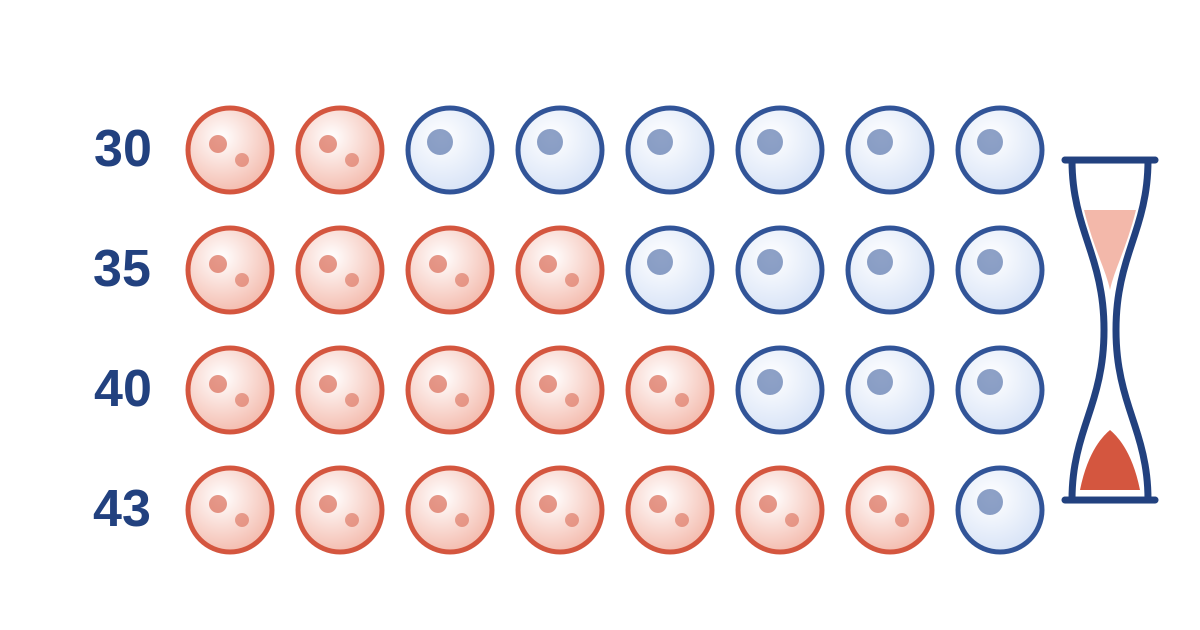
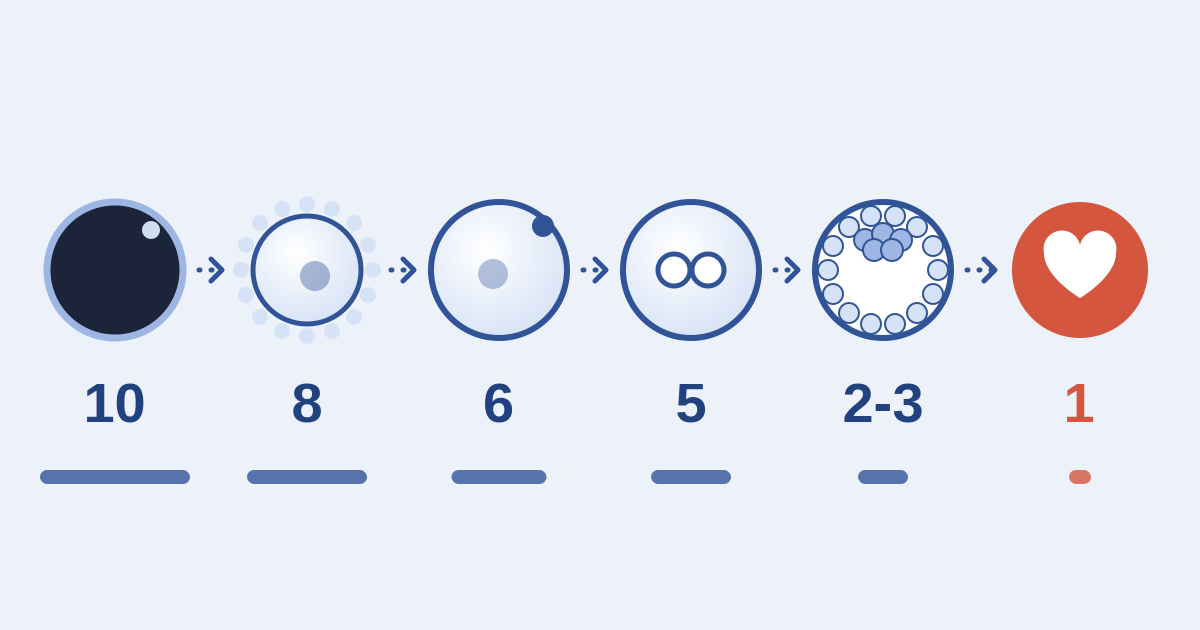
The follicles seen on ultrasound are pockets of fluid: some contain no egg, not all eggs are mature, and not all are fertilised. These losses are natural and depend a lot on age. Learn more here →

What should I do after an embryo transfer?

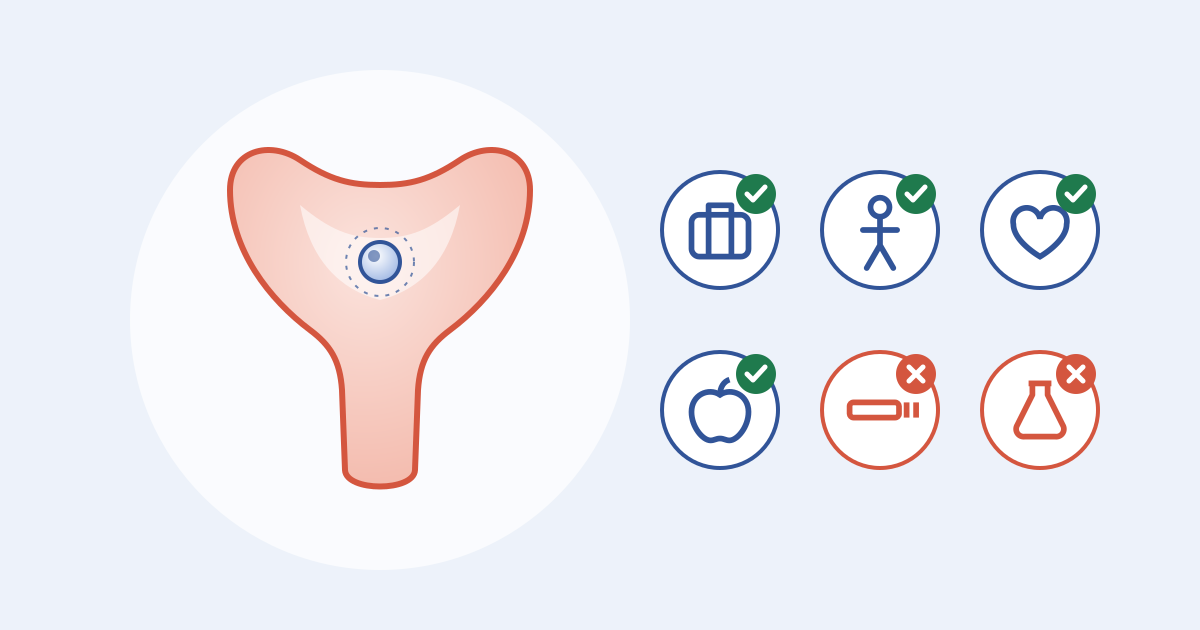
Live normally: bed rest does not increase the chances, and you can travel on the same day. Above all avoid tobacco, alcohol and toxic substances, and never stop your treatment without medical advice. Learn more here →

I have had several failures: should I continue?

There is no single answer. A consultation lets us review the whole file (age, ovarian reserve, embryo quality, uterus, male assessment) and estimate your chances realistically. Depending on the case, we may adjust the protocol, look for a cause that was missed, or sometimes advise not to continue.

Learn more here →

Does a low ovarian reserve mean I cannot have a child?

Not necessarily. A low AMH means fewer eggs remain, but it does not say everything about their quality. With a tailored strategy, pregnancy remains possible. It is best not to wait too long before consulting.

Learn more here → · Your journey: IVF with embryo pooling →

I have cancer: can I preserve my fertility?

Often, yes. It should be discussed as early as possible, before treatment starts. Depending on your situation, egg, embryo or ovarian tissue freezing may be offered. The appointment is arranged quickly so as not to delay your treatment.

Should we come as a couple?

Yes, ideally. The assessment explores both partners from the start, which saves time.

What should I bring to the first consultation?

Your recent tests (hormone tests, ultrasounds, hysterosalpingography, semen analysis), reports of previous surgery or treatment, and the list of your medications.

Why is the wait for a first consultation sometimes long?

Because a first consultation takes time: every couple is given real listening time and a full review of their file. To guarantee this, the number of first consultations is deliberately limited. If your situation is urgent, for example before cancer treatment, let us know: a quick appointment will be arranged.

Does Dr Khrouf provide pregnancy follow-up?

No. Care continues until the pregnancy is confirmed. Pregnancy follow-up and delivery are then provided by your obstetrician-gynaecologist, with whom the handover is arranged.

Opening hours

The practice is open Monday to Saturday. Consultations are by appointment, in dedicated time slots depending on the reason for your visit.

The practice is closed right now

DayPractice openFirst consultationFollow-up and ultrasound
Monday8:30 – 16:009:00 – 12:0012:30 – 16:00
Tuesday8:30 – 16:009:00 – 12:0012:30 – 16:00
Wednesday8:30 – 16:00—9:00 – 12:00
Thursday8:30 – 16:00—9:00 – 12:00
Friday8:30 – 16:009:00 – 12:0013:00 – 16:00
Saturday8:30 – 12:00—9:00 – 12:00
Sunday (today)Closed——

For a first consultation, please say so when booking so we can offer a suitable slot.

Contact

Tell us who you are: your message goes straight to the right address.

For an appointment, you can also call the practice during opening hours: +216 70 037 518

Where to find me

Consultations

GynTunis group practice
La Rose Medical Centre, 2nd floor
Avenue de la Bourse, Les Jardins du Lac 2
1053 Tunis, Tunisia

Assisted reproduction and endoscopy

Fertillia Centre, La Rose Clinic
Les Jardins du Lac, Tunis

Contact

Practice: +216 70 037 518
WhatsApp: +216 92 285 110
Send your file for an opinion: avis@gyntunis.com
Email: mohamed.khrouf@gyntunis.com
Colleagues: Professional form

View on Google Maps

Are you a doctor, researcher or partner?

See the scientific profile

Are you a patient?

Go to the patient area